Cart
0
🎉 Congratulations! You unlocked Complimentary Gift.

Solitaire round cut diamond stud earrings
$0
$ 0


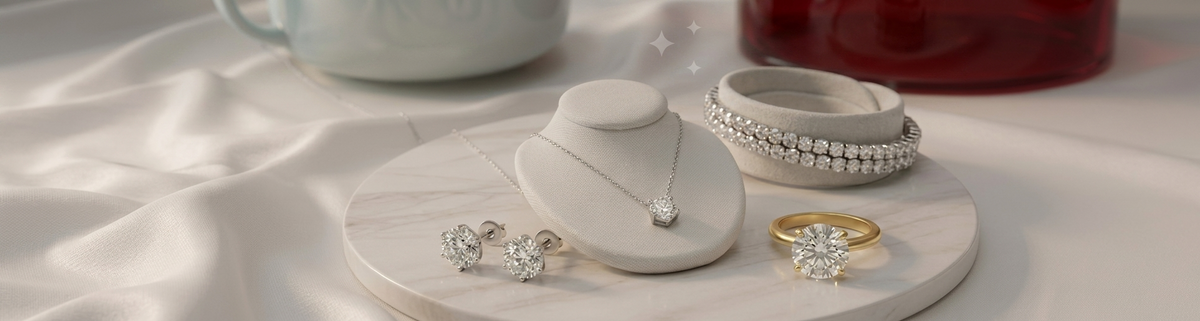
Buying diamond jewelry online can feel a little intimidating at first, you can't hold the piece in your hand or see how it catches the light before you pay. But once you know what to look for, the process is actually pretty straightforward, and for a lot of shoppers, more convenient than a store visit.
At Lumera Fine Jewelry, we think this should feel easy, not stressful. Whether you're after a ring, a pendant, or a pair of earrings, here's a step-by-step beginner's guide to help you shop smart and skip the costly mistakes.
Yes, buying diamond jewelry online is safe today. Most reputable retailers, including Lumera Fine Jewelry, offer certified stones, secure checkout, and clear return policies. Still, you should always check for certification, read reviews, and confirm the return window before you place an order. A little research goes a long way toward a safe purchase.
Before you start browsing, think about what piece you actually need. This makes buying diamond jewelry online much easier and faster.

Rings are the most popular diamond jewelry choice. Engagement rings usually feature a center stone with a supporting setting, while stacking rings and eternity bands work well for everyday wear. Think about your daily routine before picking a setting, since some styles hold up better to active hands.
Shop Now
Earrings suit almost any outfit and occasion. Studs offer a classic, understated look, while hoops and drop earrings add more movement and sparkle. Studs are also a great starting point if you are new to buying diamond jewelry, since they pair with everything.
Shop Now
Pendants are simple, elegant, and easy to layer with other jewelry. A solitaire pendant on a delicate chain works for everyday wear, while a halo pendant adds extra shine for special occasions. Chain length matters too, so check the sizing chart before you order.
Shop Now
Bracelets add sparkle to your wrist and make a strong style statement. Tennis bracelets line diamonds in a continuous row, while bangle and chain-link styles feature fewer stones for a more subtle look. Consider your wrist size and clasp type for a comfortable, secure fit.
Shop Now
Wedding bands mark a special milestone and are often worn every single day. Plain bands offer a timeless look, while pavé and channel-set bands add extra sparkle without adding bulk. Many couples choose a band that complements their engagement ring's metal and style.
Shop NowKnowing your category first will narrow your search and save you time. It also makes it easier to compare similar pieces across different retailers before you buy diamond jewelry online.

One of the biggest decisions you will make is choosing between natural and lab grown diamond jewelry. Both options are real diamonds with the same sparkle and hardness. However, lab grown diamond jewelry is typically more affordable than natural stones of the same size.
If budget matters to you, lab grown diamond jewelry price is often 30 to 40 percent lower than natural diamonds. Many shoppers today choose to buy lab grown diamond jewelry because it offers more value without sacrificing beauty or quality.
Understanding the 4Cs is one of the most important things to know before buying diamond jewelry. These four factors determine a diamond's beauty and price.


Once you understand the 4Cs, you will know exactly how to choose diamond jewelry that fits your taste and your budget. Comparing these four factors together, rather than focusing on just one, helps you find the best value for your money.
Shape is one of the most personal choices you'll make it changes the entire character of a piece far more than most people expect.
Still the industry standard, and for good reason. Its 58 precisely arranged facets are designed to maximize light return, creating exceptional brilliance, fire, and sparkle from nearly every angle. Round diamonds also tend to hide small inclusions and slight color differences better than many other shapes, especially when well cut. Their symmetrical shape makes them incredibly versatile and timeless, pairing beautifully with everything from classic solitaires to halo, pavé, and three-stone settings.
That precision does come at a cost—more of the rough diamond is lost during cutting, so round diamonds typically command a higher price per carat than other shapes. They also offer a balanced, classic appearance that works well for both traditional and modern engagement rings. For buyers who prioritize maximum sparkle, timeless appeal, and versatility, the round brilliant remains one of the most popular choices.
An elegant elongated take on the round brilliant, the oval cut offers strong brilliance and fire while creating a larger face-up appearance per carat. Its elongated shape can also make fingers appear longer and slimmer, making it a popular choice for engagement rings. Oval diamonds are versatile enough to complement classic solitaires, halos, pavé bands, and modern settings. They can also offer better value per carat than round diamonds because less rough material is typically wasted during cutting.
One important thing to watch for is the “bow-tie” effect—a darker area that can appear across the center of the diamond when light doesn’t return evenly. Some bow-tie is common, but a strong, distracting one can reduce the stone’s overall sparkle. Since oval diamonds don’t have the same universal cut-grading standard as round diamonds, it’s especially important to compare proportions, symmetry, and real photos or videos before buying.
A sophisticated step-cut diamond known for its long, clean lines, broad flashes of light, and elegant, understated appearance. Unlike brilliant cuts that prioritize intense sparkle, emerald cuts create a more mirror-like “hall of mirrors” effect, making them ideal for those who prefer refined elegance over flashy brilliance. Their elongated shape can also create a larger face-up appearance and make fingers look longer and slimmer.
Because the large, open table highlights clarity rather than hiding imperfections, inclusions and color can be more noticeable in an emerald cut. For this reason, choosing a higher clarity grade, such as VS1 or above, is often worthwhile, especially when the stone is viewed up close. Emerald diamonds pair beautifully with Art Deco, vintage, solitaire, and minimalist settings, making them a timeless choice for a sophisticated engagement ring.
A beautiful blend of vintage charm and modern brilliance, the cushion cut features a square or rectangular shape with soft, rounded corners. Its larger facets create a warm, romantic sparkle, while the softened outline gives it a softer and more distinctive look than sharper square cuts. Cushion diamonds are available in both brilliant and modified brilliant styles, so the level and pattern of sparkle can vary from stone to stone.
Their rounded silhouette makes them especially well suited to halo settings, where the center stone naturally echoes the circle of surrounding accent diamonds. They also work beautifully in solitaire, three-stone, vintage, and pavé settings. With their timeless appeal, romantic shape, and versatile styling, cushion cuts have remained a popular choice for engagement rings for decades.
A striking square or rectangular brilliant cut known for its sharp, clean lines and impressive sparkle. Its faceting pattern can produce brilliance that rivals a round diamond, while its square shape gives it a modern, structured appearance. Princess cuts are also typically more affordable per carat than round diamonds, since their cutting style allows more of the original rough stone to be retained.
Their crisp, geometric shape makes them especially versatile, pairing beautifully with solitaire, halo, channel-set, and three-stone settings. The main consideration is durability: the sharp corners are more vulnerable to chipping if exposed to impact. Protective V-shaped prongs, corner prongs, or bezel-style settings can help shield these areas, making the setting an important part of choosing a princess-cut diamond.
A versatile combination of elegant shape and brilliant sparkle, the radiant cut blends the elongated rectangular or square silhouette of a step cut with the faceting style and brilliance of a round diamond. Its many facets create impressive fire and light return, while the trimmed corners give it a distinctive look and added durability compared with sharp-cornered shapes like princess cuts.
Radiant diamonds also tend to hide minor inclusions and slight color differences better than step-cut shapes such as emerald diamonds, making them a practical choice for shoppers who want strong sparkle without needing the highest clarity grades. Their elongated shape can create a larger face-up appearance per carat and complement a wide range of hand shapes. Radiants work beautifully in solitaire, halo, three-stone, and pavé settings, making them an excellent choice for both modern and classic engagement rings.
A graceful teardrop-shaped diamond that combines the soft, rounded curves of an oval with the pointed end of a marquise. Its elongated silhouette can create a larger face-up appearance and make fingers look longer and slimmer, making it a popular choice for elegant engagement rings. Symmetry is especially important with pear cuts—the point should align neatly with the center of the rounded end, while both sides should have a balanced, even curve. A poorly proportioned pear can look uneven or lopsided.
Pear diamonds can also display a bow-tie effect, a darker area across the center caused by uneven light return, so checking the stone in different lighting or viewing photos and videos before buying is recommended. The pointed tip is more vulnerable to chipping or damage, so a protective V-prong or bezel setting can provide extra security. Pear shapes are especially striking as solitaires, halo rings, pendants, and drop earrings, offering a distinctive combination of elegance and modern style.
A long, elegant diamond with distinctive pointed ends, the marquise cut was originally designed to maximize the stone’s apparent size. Its elongated silhouette gives it an impressive face-up spread, allowing it to look noticeably larger than its actual carat weight, while also creating a flattering finger-lengthening effect. Its narrow shape gives the stone a sophisticated, dramatic appearance that works beautifully in both classic and contemporary jewelry.
Symmetry and proportions are especially important with marquise diamonds. The two sides should appear balanced, and the points should align cleanly with the center of the stone. A poorly proportioned marquise can look uneven or overly narrow. Like princess and pear cuts, its sharp tips are more vulnerable to chipping, so a protective V-prong, bezel, or secure prong setting is recommended. Marquise diamonds are particularly striking in solitaire, halo, three-stone rings, and pendants for a bold yet elegant look.
A sophisticated square step-cut diamond and close cousin of the emerald cut, the Asscher is defined by its deep pavilion, cropped corners, and highly symmetrical geometric faceting. Instead of the intense sparkle of brilliant cuts, it creates a distinctive “hall of mirrors” effect, with broad flashes of light that give the stone a refined, architectural appearance. Its strong geometric design has an unmistakable 1920s Art Deco influence, making it a natural choice for vintage-inspired and statement jewelry.
Because of its large, open table and step-cut facets, an Asscher diamond tends to reveal inclusions and color more readily than brilliant cuts. For this reason, choosing a higher-clarity, eye-clean stone can be worthwhile, especially when the diamond is viewed up close. Symmetry is also important—the concentric facets should appear balanced and precise. Asscher cuts look particularly elegant in solitaire, halo, three-stone, and Art Deco settings, offering timeless sophistication with a distinctive vintage character.
A romantic and instantly recognizable diamond shape featuring two rounded lobes and a defined center cleft, the heart cut is one of the most technically demanding shapes to execute well. The proportions, curves, and point all need to work together, and symmetry is especially important—uneven lobes or an off-center cleft can make the diamond appear lopsided. A well-cut heart diamond should have a clear, balanced heart outline when viewed from above.
Smaller heart-shaped diamonds can be harder to recognize at a glance because the distinctive cleft and curves become less noticeable at lower carat weights. For this reason, many jewelers suggest choosing around 0.50 carat or larger if you want the heart shape to be clearly visible. The pointed bottom can also be vulnerable to chipping, so a protective setting is worth considering. Before buying, pay close attention to the symmetry, proportions, cut quality, and overall outline rather than relying on carat weight alone. Heart diamonds are especially meaningful in romantic solitaire rings, pendants, earrings, and anniversary jewelry.
Certification is one of the most important things to know before buying diamond jewelry online. A certificate confirms that an independent lab has examined the diamond and verified its quality. Always look for certified lab grown diamonds or natural stones graded by trusted labs like GIA or IGI.
IGI certified lab grown diamonds are especially common today because IGI specializes in grading lab grown stones accurately. Never buy a diamond without checking its certification first.
The metal you choose affects both the look and the price of your jewelry. Here are the most common options available online.

Think about your lifestyle and skin sensitivity before making your final choice.
Setting a budget early makes the entire process smoother. Diamond jewelry price varies widely based on carat, clarity, and metal type. Decide on a comfortable range before you start browsing so you are not tempted to overspend once you see a beautiful piece.
There is no fixed rule for how much you should spend on diamond jewelry. Some experts suggest spending what feels comfortable for your finances, not a fixed percentage of income. For engagement rings, many shoppers spend between one and two months' salary, but this is only a guideline, not a requirement. Choose an amount that fits your life, not someone else's expectations.

The setting holds the diamond in place and affects how much sparkle shows through. Understanding settings will help you shop for diamond jewelry with more confidence.
Each setting offers a different look, so pick one that matches your personal style.
Before you buy diamond jewelry online, always read the full product description. Check the carat weight, metal purity, diamond origin, and certification number. Compare these details against the product photos to confirm everything matches. This step protects you from surprises after your order arrives.
A trustworthy retailer always offers a clear return, warranty, and resizing policy. Before checkout, confirm the return window, whether resizing is free, and what the warranty actually covers. This is one of the simplest diamond jewelry buying tips, yet many first-time shoppers skip it entirely.
Shipping matters more than people expect when shopping for diamond jewelry online USA wide. Look for insured shipping, signature confirmation, and clear delivery timelines. Reputable sellers, including Lumera Fine Jewelry, ship high-value items securely and provide tracking every step of the way.

Here is a simple checklist that sums up how to buy diamond jewelry online from start to finish.
Choose your jewelry type- Decide whether you want a ring, earrings, a pendant, a bracelet, or a wedding band. Picking your category first narrows down thousands of options into a manageable list.
Set your budget- Decide on a comfortable price range before you start browsing. This keeps you focused on pieces you can actually afford and prevents impulse overspending.
Choose natural or lab grown- Decide whether you want a natural diamond or a lab grown diamond. Remember that lab grown diamond jewelry price is usually lower, so this choice directly affects how much stone you can afford.
Select the diamond shape- Pick a shape that matches your personal style, such as round, oval, or cushion. The shape has a big impact on how the piece looks on your hand or ear.
Compare the 4Cs- Look closely at cut, color, clarity, and carat for each stone you are considering. Prioritize cut quality first, since it has the biggest effect on sparkle.
Check certification- Confirm the diamond comes with a grading report from a trusted lab like GIA or IGI. Certification protects you by verifying the diamond's true quality and origin.
Select the metal- Choose a metal type and color that fits your lifestyle and skin tone, such as 14K white gold or platinum. This decision also affects the overall price and durability of the piece.
Review product details- Read through the full listing, including carat weight, metal purity, and measurements. Compare these details against the photos to make sure everything lines up correctly.
Check return and warranty policies- Confirm the return window, resizing options, and what the warranty actually covers. This step protects you in case the piece does not fit or meet your expectations.
Place your order- Once everything checks out, complete your purchase through a secure checkout. Save your confirmation email and tracking details until your order arrives safely.
Follow these steps in order, and you will avoid most common shopping mistakes.
Even careful shoppers make errors. Here are the most common diamond jewelry buying mistakes to watch out for.
Avoiding these mistakes will save you money and stress down the road.
Learning how to buy diamond jewelry online does not have to feel overwhelming. Once you understand the 4Cs, certification, and setting options, shopping becomes simple and enjoyable. Take your time, compare a few pieces, and choose a retailer you trust.
Ready to find your perfect piece? Explore certified natural and lab grown diamond jewelry at Lumera Fine Jewelry and shop with confidence today.
Now that you know what to look for, explore our collection of beautifully crafted diamond jewelry and find a piece that fits your style, occasion, and budget.
Look for an independent grading report from a trusted laboratory such as GIA or IGI. Verify the certificate number on the laboratory's official website and make sure the diamond's carat, color, clarity, cut, and measurements match the online listing. High-quality retailers should also provide detailed photos, videos, or 360-degree views of the diamond.
The 4Cs-Cut, Color, Clarity, and Carat - are the key factors that determine a diamond's appearance and value. Cut is especially important because it has the greatest effect on brilliance and sparkle. A well-cut diamond can look more impressive than a larger diamond with a lower-quality cut.
Both natural and lab-grown diamonds have essentially the same chemical and physical properties. Lab-grown diamonds generally cost less and can offer a larger stone for the same budget, while natural diamonds are valued for their rarity and traditional appeal. The right choice depends on your budget, preferences, and priorities.
For a classic colorless appearance, D-G grades are a popular choice. If you're looking for better value, H-J near-colorless diamonds can still appear white to the naked eye, particularly when set in yellow or rose gold. The ideal grade depends on your setting, budget, and how sensitive you are to color.
For many buyers, VS1 or VS2 clarity offers an excellent balance between appearance and price. Inclusions in these grades are typically difficult to see without magnification. Rather than paying for the highest clarity grade, focus on whether the diamond is eye-clean and whether its inclusions affect its brilliance or durability.
Carat refers to a diamond's weight, not its visible size. Two diamonds with the same carat weight can appear different in size depending on their shape, proportions, and cut. If size is important to you, compare the diamond's measurements as well as its carat weight.
Before purchasing, check the diamond grading report, product specifications, high-resolution images, return policy, warranty, shipping terms, and retailer reputation. Make sure the product description clearly states whether the diamond is natural or lab-grown and provides accurate information about the metal and jewelry setting.
A good online retailer should offer a reasonable money-back return period, ideally around 30 days or more. Read the terms carefully to understand whether returns are refunded to your original payment method or provided as store credit. Also check whether return shipping, resizing, or custom jewelry is subject to special conditions.
Use the certificate or report number provided by the seller and verify it directly through the grading laboratory's official website. The report should match the diamond's specifications, including carat weight, measurements, color, clarity, and cut. If the information does not match, contact the retailer before purchasing.
Yes, buying diamonds online can be safe when you choose a reputable retailer with verified customer reviews, secure payment options, independent grading reports, clear product information, and a strong return policy. Avoid sellers who provide vague specifications, unusually low prices, or no reliable certification. Taking these precautions can make online diamond shopping much more secure.


