Cart
0
🎉 Congratulations! You unlocked Complimentary Gift.

Solitaire round cut diamond stud earrings
$0
$ 0


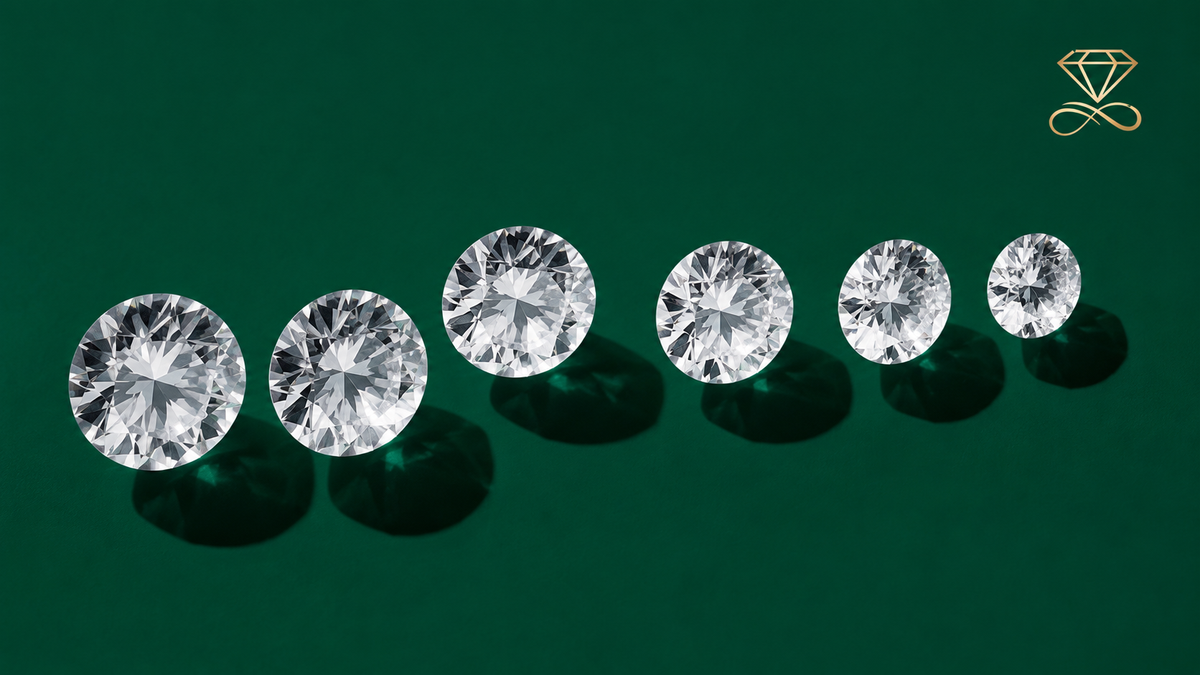
Choosing a diamond shape is one of the first and most important decisions you'll make when shopping for an engagement ring. In many ways, that choice influences everything that follows. It affects which settings suit the diamond, how the ring looks from a distance, and how comfortably it sits on your finger every day. While some diamond shapes feel modern and bold and others have a timeless vintage appeal, many work better on certain hand shapes than others. However, the round cut stands apart. It complements almost every hand, pairs beautifully with nearly every ring setting, and continues to remain the most popular choice year after year.
At Lumera Fine Jewellery, we see this preference reflected in real conversations with our customers every day. Most people already have a round cut diamond in mind before they begin exploring other options. Even so, they often ask the same question: why does this classic shape continue to outperform newer styles like oval, cushion, and princess cuts? This guide answers that question by explaining what makes a round cut diamond unique, how its precision cut creates exceptional brilliance, how to identify a high-quality stone before you buy, what factors influence its price, and how it compares with other popular diamond shapes. By the end, you'll have a clear understanding of whether a round cut diamond is the right choice for your engagement ring.

A round cut diamond, also known as a round brilliant diamond, is a diamond with a perfectly circular outline and a carefully designed arrangement of facets. These facets are cut at precise angles to direct light back through the top of the stone, giving the diamond its bright appearance. Unlike many other diamond shapes, the round cut has been developed specifically to achieve excellent light performance while maintaining a balanced and symmetrical design.
The round cut is the most popular diamond shape for engagement rings because it combines versatility with consistent performance. It pairs well with almost every ring setting, complements different hand shapes, and has well-established standards for evaluating cut quality. As a result, buyers often choose a round cut diamond for its reliable appearance, broad design compatibility, and long-standing popularity.

A round cut diamond, often called a round brilliant diamond, features a perfectly circular shape with a carefully planned arrangement of flat surfaces known as facets. Every facet is cut at a precise angle to capture incoming light and reflect it back through the top of the diamond. As a result, the stone delivers the exceptional sparkle and brilliance that make it so popular. Therefore, a round cut is much more than a circular diamond. Its true beauty comes from the precision of the cuts beneath the surface, where each facet works together to maximize light performance.
Because of this, two round cut diamonds can look very different even if they share the same outline. A diamond with poor cutting may appear dull and lack brilliance, despite having a perfectly round shape. In contrast, a well-cut round diamond reflects light beautifully and creates noticeable sparkle from almost every angle. For this reason, the term round cut describes more than the diamond's shape. It refers to a carefully engineered cutting style designed to return as much light as possible, giving the diamond its signature brilliance and fire.

The history of the round cut diamond dates back several centuries. In the early days, diamond cutters shaped rough stones by hand without understanding how specific angles and proportions affected light performance. As a result, they created styles now known as Old Mine Cuts and Old European Cuts. Although these diamonds had a roughly round appearance, craftsmen relied on experience rather than precise measurements. They looked attractive under candlelight, which was the primary source of lighting at the time. However, they did not produce the brilliance and sparkle that modern round diamonds are known for today.
A major breakthrough came in 1919 when mathematician Marcel Tolkowsky introduced a scientific approach to diamond cutting. Instead of relying on traditional methods, he studied how light moved through a diamond and calculated the ideal proportions needed to maximize brilliance. His research showed that carefully balanced angles could reflect more light back through the top of the stone instead of allowing it to escape from the sides or bottom. Consequently, diamonds cut using his principles appeared brighter and more vibrant than earlier versions.
Since then, diamond cutters have continued to improve Tolkowsky's original concept by using advanced technology and highly precise cutting techniques. Even so, the basic principles he developed remain the foundation of today's round brilliant cut. For this reason, the modern round cut diamond is widely recognized as the first diamond shape designed using optical science, combining mathematical precision with expert craftsmanship to achieve exceptional sparkle and light performance.

A standard round brilliant diamond usually has 58 facets, and each facet serves a specific purpose. The upper portion, known as the crown, contains 33 facets and is the part visible when the diamond is set in a ring. The lower portion, called the pavilion, has 24 facets that sit beneath the surface. At the very bottom is a small flat point known as the culet. However, many modern round diamonds have either a very small culet or none at all because today's cutting techniques allow for greater precision. Every facet is carefully placed at a measured angle, allowing the diamond to handle light in the most effective way.
When light enters through the crown, it travels into the pavilion, where the angled facets redirect it back through the top of the diamond instead of letting it escape from the sides or bottom. Even a slight change in one facet can reduce the amount of light that returns to your eye, making the diamond appear less bright. Therefore, the 58-facet design is not a random tradition or an arbitrary number. It is a carefully developed cutting pattern that helps each facet work together to improve the diamond's overall light performance.

Many people assume the word "brilliant" is simply a marketing term, but it actually has a technical meaning in diamond cutting. In the jewelry industry, brilliant refers to a specific facet arrangement rather than the diamond's appearance. This cutting style uses a carefully planned pattern of triangular and kite-shaped facets that work together to return as much light as possible through the top of the stone. Therefore, the term describes how the diamond is cut, not just how bright it looks.
The word "brilliant" is also used for other diamond shapes, including oval, pear, and some cushion cuts, because they follow a similar facet pattern. However, the word "round" refers only to the diamond's circular outline. When these two terms are combined, they form "round brilliant," which is the complete and correct name for the diamond shape most people simply call a round diamond. Although many buyers use the shorter name in everyday conversation, jewelers and diamond grading laboratories prefer the full term because it accurately describes both the shape and the cutting style.

One of the biggest reasons people choose a round brilliant diamond is its ability to return more light than most other diamond shapes. Its facet pattern is carefully designed to direct light back through the top of the stone instead of letting it escape. As a result, a well-cut round diamond often appears brighter than other shapes of similar size and quality. Even under everyday indoor lighting, many people can easily notice the difference without needing any special knowledge about diamonds.
The shape itself also plays an important role. Unlike diamonds with pointed ends or sharp corners, a round diamond has a smooth outline that helps reduce light loss. Therefore, more light stays inside the stone before returning to your eye. In comparison, shapes such as emerald or marquise can allow more light to escape because of their structure. This is why round brilliant diamonds consistently perform better in light performance tests and remain the preferred choice for buyers who value maximum brightness.
A round diamond is the shape most people imagine when they think of a diamond engagement ring. It has been the most recognized choice for generations, making it familiar to almost everyone. Whether you see it in family jewelry, advertisements, or display cases, the round shape appears again and again. Because of this, many buyers feel comfortable choosing a design that has remained popular for so many years.
For many first-time buyers, choosing a round diamond feels simple and reassuring. It has a clean, recognizable look that people identify immediately without needing any explanation. In addition, the shape pairs well with almost every ring style, making it easy to match different settings and personal preferences. This wide acceptance is one of the main reasons the round cut continues to be the first choice for engagement rings around the world.
One of the biggest advantages of a round cut diamond is its ability to complement almost any ring setting. Whether you prefer a simple solitaire, a halo design, a pavé band, or a vintage-inspired setting, a round diamond fits naturally into each style. Its perfectly symmetrical shape allows jewelers to position the stone with ease, creating a balanced and well-proportioned design from every angle. As a result, it offers greater flexibility than many other diamond shapes.
In comparison, shapes with pointed ends, such as pear or marquise, require more careful alignment during the setting process. Even a slight adjustment can affect the overall appearance of the ring. However, a round diamond does not have this limitation because it looks the same from every direction. Therefore, designers can pair it with side stones, halos, or detailed metalwork without changing its visual balance. This versatility is one of the main reasons round diamonds continue to appear in more engagement ring styles than any other diamond shape.
Diamond shape preferences change over time, and every generation tends to favor something different. For example, princess cut diamonds were especially popular during the 1990s and early 2000s, while cushion cuts gained attention in the years that followed. More recently, oval diamonds have become a popular choice through social media and modern engagement ring trends. Although these styles remain attractive, their popularity often rises and falls as trends continue to change.
However, the round cut diamond has remained a consistent favorite for decades. It has never been limited to a particular period or fashion trend, making it a reliable choice for buyers who want a design that continues to look appealing over the years. Instead of following temporary trends, many people choose a round diamond because it offers a familiar and widely appreciated appearance that stays relevant regardless of changing styles.
One of the main reasons round cut diamonds remain so popular is their ability to suit a wide range of personal styles. The shape does not feel overly bold or overly simple, which makes it appealing to many different buyers. Whether someone prefers a traditional engagement ring or a clean, modern design, a round diamond fits naturally into both preferences. As a result, it continues to attract first-time buyers as well as those looking for a classic design.
Different buyers often have different expectations when choosing an engagement ring. Some want a ring that reflects family traditions, while others prefer a simple design with minimal details. However, a round diamond works well for both groups because of its balanced appearance and versatile design. It complements classic and contemporary settings equally well, allowing buyers to choose a style that matches their taste without changing the diamond shape. This broad appeal is one of the key reasons round cut diamonds continue to outsell many other diamond shapes.

When diamond grading reports use terms such as Ideal or Excellent cut, they are describing how well a diamond's proportions handle light. These grades are based on precise measurements, including the angles and proportions that help return the maximum amount of light through the top of the stone. As a result, a diamond with an ideal or excellent cut usually appears brighter than one with a lower cut grade, even if both have the same size and quality.
Round brilliant diamonds have the most well-established standards for cut quality because they have been studied for more than a century. The research began with Marcel Tolkowsky's calculations in 1919 and has continued through modern gemological testing and advanced measuring technology. Therefore, grading laboratories have clear benchmarks for evaluating round diamonds. In comparison, shapes such as oval, cushion, and pear do not have the same level of agreement on ideal proportions. For this reason, choosing a round diamond with an Ideal or Excellent cut grade gives buyers greater confidence in its overall light performance.
Creating a round brilliant diamond requires exceptional precision because every one of its 58 facets must be placed at carefully measured angles. Although modern technology has improved the cutting process, skilled diamond cutters still make important decisions throughout the work. They study the rough diamond, plan the best cutting approach, and position each facet to achieve the best possible light performance. Even a very small change in a single facet can affect how light travels through the diamond, reducing the amount that returns through the top of the stone.
Because of this, two round diamonds with the same carat weight, color grade, and clarity grade can look noticeably different in everyday lighting. One diamond may return light efficiently and appear brighter, while another with similar grading may look less lively because of differences in cutting precision. Therefore, cut quality often has a greater impact on a diamond's overall appearance than many buyers expect, making it one of the most important factors to consider before making a purchase.
Diamond experts use three terms to describe how a diamond handles light: brilliance, fire, and scintillation. Brilliance refers to the white light that reflects back from the diamond, giving it an overall bright appearance. Fire describes the small flashes of color, such as red, blue, or green, that appear when light separates into different colors as it passes through the stone. Scintillation is the pattern of light and dark reflections you notice when the diamond or the light source moves. Together, these three effects help determine how a diamond looks in everyday lighting.
A well-cut round brilliant diamond delivers a balanced combination of brilliance, fire, and scintillation. Instead of highlighting just one effect, its carefully arranged facets allow all three to work together. As a result, the diamond appears bright under different lighting conditions and continues to reflect light as it moves. While other diamond shapes may perform better in one area than another, the round brilliant is known for producing a more consistent balance of these light performance characteristics, which is one of the reasons it remains the most popular diamond shape.
Excellent light return: The round brilliant cut is designed to reflect the maximum amount of light, making it one of the brightest-performing diamond shapes.
Recognizable appearance: Its familiar circular shape has remained popular for generations and is instantly recognized as a classic engagement ring choice.
Better resale and trade-in demand: Since round diamonds are the most widely purchased and traded shape, they often maintain stronger demand in the resale market than many fancy-shaped diamonds.
Compatible with almost every setting: Whether you prefer a solitaire, halo, pavé, three-stone, or vintage design, a round diamond pairs naturally with nearly every ring style.
Suitable for all hand shapes: The balanced, symmetrical outline complements different finger lengths and hand shapes, making it a versatile option for most buyers.
Available in every carat size: Round cut diamonds are produced in a wide range of sizes, from small accent stones to large center diamonds, giving buyers more flexibility across different budgets.

A solitaire setting features a single round cut diamond placed on a simple band without side stones or additional decorative details. This clean design keeps the focus on the center diamond, allowing its cut and light performance to stand out. Because nothing surrounds the stone, the diamond becomes the main highlight of the ring. As a result, a solitaire setting remains one of the most popular choices for engagement rings.
In addition to its simple appearance, a solitaire setting offers several practical advantages. It is generally easier to clean, maintain, and resize than more detailed ring designs. Moreover, if you decide to upgrade the center diamond in the future, the process is usually more straightforward because the setting is designed around a single stone. For these reasons, many first-time buyers choose a solitaire setting for its combination of everyday practicality and lasting appeal.
A halo setting features a round center diamond surrounded by a circle of smaller diamonds. These accent stones sit closely around the center, creating the appearance of a larger diamond when viewed from a distance. As a result, a halo setting can increase the visual size of the center stone without requiring a higher carat weight. This makes it a popular option for buyers who want a bigger overall look while staying within their budget.
In addition to enhancing size, the surrounding diamonds add extra light reflection from different angles. Therefore, the ring often appears brighter under both natural and indoor lighting. A halo setting also adds more detail to the overall design while keeping the round center diamond as the main focus. For these reasons, it remains one of the most popular choices for buyers looking for a ring with greater visual impact without purchasing a larger center stone.
A hidden halo setting offers the same concept as a traditional halo but places the smaller diamonds beneath the center stone instead of around its outer edge. From the top, the ring looks clean and simple, much like a solitaire setting. However, the hidden row of diamonds sits just below the center diamond, where it is visible only from certain angles. As a result, the ring maintains a minimal appearance while adding extra detail to its overall design.
When viewed from the side or as the ring moves, the hidden halo becomes visible and reflects additional light around the center stone. Therefore, it provides extra brightness without changing the classic look of the ring from the front. This setting has become a popular choice for buyers who want subtle design details and a little extra brilliance while keeping the focus on the round center diamond.
A pave setting features small diamonds set closely together along the ring band, leaving very little metal visible between them. The name comes from the French word meaning "paved," which describes the way the diamonds cover the surface of the band. As a result, the ring reflects light from many different angles while creating a more detailed appearance without changing the focus of the center diamond.
A round cut diamond pairs especially well with a pavé band because both share a balanced and harmonious look. The small accent diamonds naturally complement the round center stone, creating a smooth visual flow across the entire ring. In addition, the extra diamonds add brightness along the band without surrounding the center stone like a halo. For this reason, a pavé setting is a popular choice for buyers who want additional light reflection while maintaining a clean and elegant ring design.
A three-stone setting features a round center diamond with two smaller diamonds placed on either side. Many people associate this design with the journey of a relationship, as the three stones are often said to represent the past, present, and future. Even without the symbolism, the arrangement creates a balanced appearance and gives the ring a fuller look than a single-stone setting. As a result, it remains a popular choice for both engagement rings and anniversary gifts.
A round cut diamond works especially well as the center stone because it pairs beautifully with different side stone shapes. Round side diamonds create a consistent and balanced design, while trapezoid or other accent stones add contrast and help draw attention to the center diamond. Therefore, the round cut remains the main focus of the ring while blending naturally with a variety of three-stone designs.
A cathedral setting features a band that gently rises on both sides of the center diamond, creating graceful arches before meeting the stone. The design takes its name from the curved architectural lines found in traditional cathedrals. Instead of sitting directly on a flat band, the round diamond is supported by these raised shoulders, giving the ring a more structured and refined appearance.
The elevated design offers both visual and practical benefits. By lifting the center diamond slightly higher, the setting allows more light to reach the stone from different angles while giving the ring added height and definition. At the same time, it maintains a clean look without the need for side stones or extra decorative details. For this reason, a cathedral setting is an excellent choice for buyers who appreciate the simplicity of a solitaire but want a ring with a little more character and dimension.
A vintage setting takes inspiration from jewelry styles created in earlier decades, particularly during the Edwardian and Art Deco periods. These rings often feature decorative details such as milgrain edges, delicate filigree patterns, hand-crafted engravings, and, in some designs, small accent gemstones. Together, these elements create a ring with distinctive character while highlighting the beauty of the center diamond.
A round cut diamond is a natural match for a vintage setting because this shape was commonly used in many historical jewelry designs. As a result, the combination feels balanced and authentic rather than mixing different styles. Modern round brilliant diamonds also offer improved cutting precision, allowing buyers to enjoy the classic appearance of a vintage-inspired ring while benefiting from today's advanced diamond-cutting techniques.
A bezel setting secures the round diamond with a continuous rim of metal that surrounds its outer edge instead of using traditional prongs. This metal frame holds the diamond firmly in place while giving the ring a clean and modern appearance. Because the stone is enclosed around its edges, the setting offers a smooth finish that blends well with both contemporary and classic ring designs.
One of the biggest advantages of a bezel setting is its durability. Since there are no raised prongs, the ring is less likely to catch on clothing or other objects during everyday wear. In addition, the secure metal rim helps protect the diamond from accidental knocks and reduces the chance of the stone shifting over time. For this reason, a bezel setting is an excellent choice for people with active lifestyles or anyone looking for a low-maintenance engagement ring with added protection.

Oval diamonds share a similar brilliant facet pattern with round diamonds, but their elongated shape creates a different overall appearance. Because an oval diamond is longer than it is wide, it can make fingers appear more slender and may also look slightly larger than a round diamond of the same carat weight. As a result, many buyers choose oval diamonds when they want a larger visual presence without increasing their budget.
A round cut diamond, however, is known for its more consistent light performance. When cut to proper proportions, it reflects light evenly across the entire surface, creating a balanced appearance from every angle. In comparison, some oval diamonds may display a bow-tie effect, which appears as a darker area across the center of the stone under certain lighting conditions. Although a well-cut oval can minimize this effect, it is not an issue with round brilliant diamonds. Therefore, buyers who want dependable light performance and easier quality evaluation often prefer the round cut.

Cushion cut diamonds have a square or rectangular outline with softly rounded corners, giving them a gentle and balanced appearance. This unique shape creates a vintage-inspired look that many buyers appreciate, especially when paired with classic or antique-style ring settings. In addition, cushion diamonds often appear slightly larger than round diamonds of the same carat weight because their wider outline covers more visible surface area.
A round cut diamond, on the other hand, is known for delivering more consistent light performance. Its carefully developed facet pattern has been refined over many years to maximize light return, making it one of the most reliable diamond shapes for overall brightness. While a well-cut cushion diamond can also perform beautifully, its appearance may vary more depending on the cutting style and proportions. Therefore, buyers who prioritize dependable light performance often choose a round cut, while those who prefer a softer shape and a vintage-inspired design may find a cushion cut more appealing.

Princess cut diamonds have a square shape with sharp, well-defined corners that create a clean and modern appearance. Their geometric design appeals to buyers who prefer structured, contemporary styles. Another advantage of the princess cut is its price. Because the cutting process preserves more of the original rough diamond, less material is lost during production. As a result, princess cut diamonds often cost less per carat than round diamonds with similar color, clarity, and carat weight.
A round cut diamond, however, is designed to maximize light return through its carefully developed facet arrangement. Although it usually costs more due to the greater amount of rough diamond removed during cutting, many buyers consider the additional cost worthwhile because of its consistent light performance. Therefore, buyers looking for maximum value may prefer a princess cut, while those who prioritize brightness and proven performance often choose a round brilliant.

Emerald cut diamonds feature a rectangular shape with long, step-like facets instead of the smaller facets found in a round brilliant. This cutting style creates a clear, open appearance that emphasizes the diamond's structure rather than its light performance. As a result, emerald cut diamonds offer a refined and understated look that appeals to buyers who prefer clean lines and simple designs.
In comparison, a round cut diamond is designed to reflect more light, producing stronger brilliance and fire. The larger, open facets of an emerald cut also make internal characteristics easier to see, so clarity becomes a more important consideration when selecting this shape. Therefore, buyers who want maximum light performance often choose a round brilliant, while those who appreciate a sleek, transparent appearance may find an emerald cut to be the better option.

Pear cut diamonds combine a rounded end with a pointed tip, creating a distinctive teardrop shape that stands out from more traditional diamond cuts. This elongated design can make the finger appear longer and offers a unique alternative to a round diamond. As a result, pear diamonds are often chosen by buyers looking for a more individual and eye-catching style.
A round cut diamond, however, offers greater durability because it does not have a pointed tip that requires extra protection. Pear diamonds typically need a protective prong over the pointed end to reduce the risk of chipping during everyday wear. In contrast, the smooth, symmetrical outline of a round diamond makes it easier to set and less vulnerable to accidental impact. Therefore, buyers who value low maintenance and long-term durability often prefer the round cut.

Marquise cut diamonds have a long, narrow shape with pointed ends that create the illusion of a larger diamond. Because the weight is distributed across a greater surface area, a marquise diamond can appear bigger than a round diamond of the same carat weight. This makes it an attractive option for buyers who want maximum visual size without increasing their budget.
In comparison, a round cut diamond provides a more balanced combination of durability, light performance, and long-term demand. The pointed ends of a marquise diamond require careful protection during setting, while the rounded outline of a round diamond reduces the risk of damage in daily wear. In addition, round diamonds continue to have strong demand in the market, making them a popular choice for buyers who value both performance and resale potential.

Buying your first round cut diamond can feel overwhelming because every listing is filled with grades, percentages, and technical terms. However, you don't need to understand every detail to make a smart decision. Instead, focus on the factors that have the biggest impact on how the diamond looks in everyday life. Once you know which qualities matter most, comparing different diamonds becomes much easier.
The following sections explain the key characteristics that jewelers examine before recommending a round diamond. You'll learn how to evaluate cut, color, clarity, carat weight, and certification, while also understanding which specifications deserve your attention and which ones have less effect on the diamond's overall appearance. By the end, you'll be able to read a diamond grading report with greater confidence and choose a round cut diamond that offers the best value for your budget.
If you focus on only one feature when buying a round cut diamond, make it the cut grade. More than any other quality, the cut determines how effectively a diamond reflects light. Even if two diamonds have the same carat weight, color, and clarity, the one with a better cut will usually appear brighter and more attractive. Therefore, choosing an Excellent or Ideal cut grade should be your top priority, especially when shopping for a round brilliant diamond.

The 4Cs - Cut, Color, Clarity, and Carat—are the international standards used to evaluate a diamond. Understanding what each one means makes it much easier to compare diamonds and choose the best option for your budget.
Cut: Cut measures how accurately a diamond's facets are shaped and positioned to handle light. For round diamonds, this is the most important factor because it directly affects the diamond's overall appearance. A stone with an Excellent or Ideal cut will usually reflect more light and appear brighter than a diamond with a lower cut grade, even if the lower-graded stone has better color or clarity. For this reason, experienced jewelers often recommend prioritizing cut above every other characteristic.
Color: Diamond color is graded from D (colorless) to Z (light yellow or brown). While higher color grades are rarer, many buyers cannot easily distinguish between nearby grades, such as D and H, during everyday wear. Noticeable color differences usually become more visible in the lower grades. Therefore, choosing a diamond in the G–I color range often provides an excellent balance between appearance and value, allowing you to invest more of your budget in cut quality.
Clarity: Clarity measures the presence of natural internal characteristics, known as inclusions, and surface marks called blemishes. Fortunately, the facet pattern of a round brilliant diamond helps disguise many small inclusions, making them difficult to see without magnification. As a result, diamonds graded VS1 or VS2 generally appear clean to the naked eye while offering better value than higher clarity grades.
Carat: Carat measures a diamond's weight rather than its visible size. Two diamonds with the same carat weight can appear different in size because their proportions affect how much of the diamond is visible from the top. A well-cut round diamond distributes its weight more effectively, creating a balanced appearance. Therefore, it is always worth checking both the carat weight and the diamond's millimeter measurements instead of relying on carat alone.
A diamond grading certificate is one of the most important documents you should review before making a purchase. Independent laboratories such as GIA (Gemological Institute of America) and IGI (International Gemological Institute) evaluate a diamond's cut, color, clarity, and carat weight using internationally recognized grading standards. As a result, you can compare different diamonds with confidence and know that their quality has been verified by an unbiased third party.
Always be cautious if a diamond is sold without an independent laboratory certificate or is accompanied only by an in-house grading report. While a retailer's assessment may provide useful information, it does not offer the same level of independent verification. At Lumera Fine Jewellery, every round cut diamond comes with a trusted laboratory certificate, giving you complete confidence that the specifications listed on the grading report accurately represent the diamond you are purchasing.
When you compare a round cut lab grown diamond with a natural round diamond, you'll quickly notice that they look virtually identical. Both have the same chemical composition, crystal structure, and optical properties, so they reflect light and perform in the same way. As a result, even experienced jewelry buyers cannot tell the difference by sight alone under normal lighting conditions. In fact, trained gemologists usually rely on specialized laboratory equipment to identify a diamond's origin. For most buyers, the decision comes down to personal preference rather than appearance.
One of the biggest advantages of a lab grown round diamond is its price. In most cases, it costs 30% to 50% less than a natural diamond with the same cut, color, clarity, and carat weight. Therefore, buyers can often choose a larger diamond or upgrade its quality without increasing their budget. Although the price differs, both options offer the same appearance, durability, and light performance. This allows buyers to focus on selecting the diamond that best suits their needs rather than compromising on quality.
For many buyers, sustainability plays an important role in the decision-making process. Lab grown diamonds are created in controlled laboratory environments instead of being mined from the earth. As a result, they avoid many of the environmental impacts associated with traditional diamond mining, including large-scale land disturbance and excavation. While every production process still uses energy and resources, many buyers appreciate lab grown diamonds as a more environmentally conscious option that delivers the same physical characteristics as a natural diamond.
There is no practical difference in durability between a lab grown diamond and a natural diamond. Both rank 10 on the Mohs hardness scale, making them the hardest gemstones commonly used in jewelry. Therefore, both resist scratches during everyday wear and maintain their appearance for many years with proper care. Whether formed naturally or created in a laboratory, each diamond offers the same strength, making both excellent choices for engagement rings and daily wear.
The main difference between lab grown and natural diamonds lies in their long-term market value. Natural diamonds have been bought, sold, and collected for generations, so they generally retain stronger resale value due to their rarity and established demand. Lab grown diamonds, however, provide greater value at the time of purchase by offering more size or higher quality for the same budget. As the resale market for lab grown diamonds continues to develop, many buyers choose them for their immediate benefits rather than future resale potential. Ultimately, the right choice depends on whether you prioritize long-term value, budget, or overall purchasing power.

Choosing the right carat size depends on your budget, personal style, and finger size. While a larger diamond naturally creates more presence, a well-cut round diamond can look impressive at almost any carat weight. The following size guide can help you decide which option best suits your preferences.
0.50 Carat: A great choice for smaller budgets. Although compact, a well-cut round diamond still looks bright and offers a noticeable appearance for everyday wear.
1.00 Carat: This is the most popular size for round cut engagement rings. It provides a balanced look that suits most hand sizes without appearing too large or too small.
1.50 Carat: Buyers looking for a more noticeable center stone often choose this size. It offers a clear increase in visual presence while remaining more affordable than larger carat weights.
2.00 Carats and Above: A round diamond of two carats or more creates a bold focal point. It pairs especially well with simple settings, allowing the center stone to remain the main feature of the ring.
Finger Size Considerations: Finger size can influence how large a diamond appears. On smaller hands, even a modest carat weight may look more prominent because there is less surrounding space. In contrast, buyers with larger hands often choose a slightly bigger center diamond or a halo setting to create a fuller overall appearance.
The price of a round cut diamond depends on several important factors, with the 4Cs—cut, color, clarity, and carat weight having the greatest influence. Among these, cut quality is the most significant because it determines how effectively the diamond returns light. As a result, a well-cut diamond often appears brighter and more attractive than a larger stone with a lower cut grade. Therefore, many buyers choose to prioritize cut before considering the other quality factors.
In addition to the 4Cs, other characteristics can also affect the final price. A grading certificate from a trusted laboratory, the presence of fluorescence, and the diamond's overall proportions all contribute to its value. Instead of focusing only on the lowest price or the highest individual grade, it is better to evaluate how these factors work together. A diamond with balanced quality and precise craftsmanship often provides better overall value and a more satisfying appearance for everyday wear.
When comparing natural and lab grown round diamonds, the price difference is often substantial, even when both diamonds have the same cut, color, clarity, and carat weight. Natural diamonds generally cost more because they are formed over billions of years and their supply is naturally limited. In contrast, lab grown diamonds offer the same physical, chemical, and optical properties at a lower price. As a result, many buyers can choose a larger diamond or higher quality grades without increasing their budget. Ultimately, the best option depends on whether you value natural rarity or greater purchasing power.
Making the most of your budget does not always mean compromising on appearance. For example, choosing an H or I color grade instead of a D color grade can reduce the overall cost while maintaining a similar look in everyday wear. Likewise, selecting a Very Good cut instead of an Ideal cut may provide excellent light performance at a more affordable price, provided the diamond has well-balanced proportions. Rather than aiming for the highest grade in every category, focusing on the right combination of cut, color, clarity, and carat often delivers the best overall value.
For many buyers, the ideal round cut diamond offers a balance between quality and price rather than the highest possible grades. A diamond with an Excellent or Ideal cut, H–I color, and VS1–VS2 clarity typically provides outstanding light performance while remaining within a reasonable budget. These quality ranges usually appear bright, eye-clean, and attractive in everyday wear, making them a popular choice for engagement rings. At Lumera Fine Jewellery, we help customers compare carefully selected diamonds side by side, making it easier to choose a stone that matches both their preferences and their budget with confidence.

Many people assume that a popular diamond shape is less special. However, round cut diamonds remain the most chosen shape because of their proven light performance, versatility, and balanced appearance. Their popularity comes from consistent quality rather than changing trends, making them a reliable choice for many buyers.
Carat weight is important, but it is not the only factor that affects a diamond's appearance. A well-cut smaller diamond can look brighter and more attractive than a larger diamond with a lower cut grade. Therefore, prioritizing cut quality often delivers a better overall result than focusing only on size.
Although two round diamonds may have the same shape, their appearance can vary significantly. Differences in cut quality, proportions, and facet precision directly affect how the diamond handles light. As a result, two diamonds with identical carat weight, color, and clarity grades can still look noticeably different in everyday lighting.
A round cut diamond is one of the most versatile shapes available. It pairs beautifully with solitaire, halo, pave, bezel, vintage, cathedral, and three-stone settings because of its perfectly balanced shape. Therefore, buyers have plenty of design options without changing the center diamond.

A round cut diamond is an excellent choice for buyers who value versatility, reliable light performance, and a design that suits almost any style. Its balanced shape and wide appeal make it one of the easiest diamond cuts to wear and enjoy for years.
Traditional buyers: If you want an engagement ring with the classic look that has been loved for generations, a round cut diamond is a natural choice.
Modern couples: Buyers who prefer clean, simple designs without unnecessary details often appreciate the balanced appearance of a round diamond.
Minimalist style lovers: A round cut works beautifully in simple settings, allowing the center diamond to remain the main focus of the ring.
Luxury jewelry buyers: Because round diamonds have strong market demand and broad recognition, they remain a popular choice for buyers who value long-term desirability.
Everyday wearers: The smooth, symmetrical shape has no pointed corners, making it a practical option for daily wear. It is less likely to catch on clothing and offers greater protection against accidental knocks compared with shapes such as pear or marquise.

Keeping your round cut diamond ring clean is simple and only takes a few minutes. Fill a small bowl with warm water and add a few drops of mild dish soap. Let the ring soak for several minutes to loosen dirt, skin oils, and everyday residue. Then, gently clean the diamond and setting with a soft-bristled toothbrush, paying close attention to small areas where buildup can collect. Finally, rinse the ring with clean water and dry it using a soft, lint-free cloth. Regular cleaning helps restore the diamond's appearance and also gives you the chance to notice any changes in the setting.
Although regular cleaning is important, professional maintenance should also be part of your jewelry care routine. Have your ring inspected by a trusted jeweler once or twice a year to ensure the prongs and setting remain secure. Over time, everyday wear can gradually loosen the metal that holds the diamond in place. Therefore, routine inspections help identify minor issues early, reducing the risk of damage or accidental stone loss while keeping your ring in excellent condition.
Proper storage helps protect both the diamond and its setting when the ring is not being worn. Instead of placing it together with other jewelry, store it in a soft fabric pouch or a jewelry box with separate padded compartments. Although diamonds are extremely hard, they can scratch other pieces of jewelry or even chip if they come into contact with another diamond. Taking a few extra moments to store your ring correctly helps preserve its finish and reduces unnecessary wear.
In addition to professional checkups, it is helpful to inspect your ring at home every few months. Gently touch the diamond with your fingernail to check whether it feels secure in the setting. The stone should remain firm without any movement or rattling. If you notice even slight looseness, stop wearing the ring until a professional jeweler has examined it. Addressing a loose setting early is usually a simple repair and can prevent the diamond from becoming damaged or falling out.
Discover the timeless brilliance of our Round Cut Diamond Engagement Rings. Crafted with premium lab-grown diamonds, each ring offers exceptional sparkle, elegant designs, and lasting beauty for your perfect proposal.
Round cut diamonds have stayed at the top of the list for so long because they get the fundamentals right. The facet pattern was built specifically to return light, the shape fits almost any hand and any setting without adjustment, and the look has never needed a comeback because it never really left. Add in strong resale demand and the widest size and budget range of any shape, and it's easy to see why so many buyers land here after comparing everything else.
None of that means round is the only right answer. If you love how an oval elongates the finger, or how an emerald cut shows off clarity, those are good reasons to go a different direction. But if you want a diamond that performs reliably, suits nearly any design, and won't need explaining to anyone who sees it, round cut is the safest and most rewarding choice on the table.
Round Cut Diamonds are the most popular because they offer exceptional brilliance, timeless beauty, and unmatched sparkle. Their 58-facet design maximizes light reflection, making them a classic choice for engagement rings.
Yes. Round Cut Diamonds are engineered to reflect the maximum amount of light, giving them more brilliance and fire than most other diamond shapes.
Absolutely. Their symmetrical shape and balanced design make Round Cut Diamond Rings durable, comfortable, and ideal for daily wear.
Round Cut Diamonds symbolize timeless love and elegance. Their brilliant sparkle pairs beautifully with solitaire, halo, pave, hidden halo, and vintage settings, making them the most popular engagement ring choice.
Yes. Lab-grown Round Cut Diamonds have the same physical, chemical, and optical properties as natural diamonds, offering identical brilliance at a more affordable price.
Round Cut Diamonds look stunning in:
These settings enhance the diamond's sparkle while complementing its timeless shape.
Generally, yes. Round Cut Diamonds can cost slightly more because they require more rough diamond material during cutting. However, many buyers consider the superior brilliance and classic appeal worth the investment.
Look for the 4Cs—Cut, Color, Clarity, and Carat Weight. Since cut quality has the biggest impact on sparkle, choosing an Excellent or Ideal Cut will help you achieve maximum brilliance.
Round Cut Diamond Rings complement almost every finger shape. Their balanced, symmetrical design creates a timeless look that flatters both slender and wider fingers, making them one of the most versatile diamond shapes.
Yes. Round Cut Diamonds have remained the world's most popular diamond shape for decades. Their timeless appeal, strong demand, and exceptional brilliance make them a valuable and enduring choice for engagement rings and fine jewelry.


